Personal belongings
Photos, keepsakes and hobby items hint at who lived there and what mattered to them.
Underwater games often tell their stories without a narrator. This explainer looks at how logs, objects and room layouts reveal what happened to a sunken station and its crew.
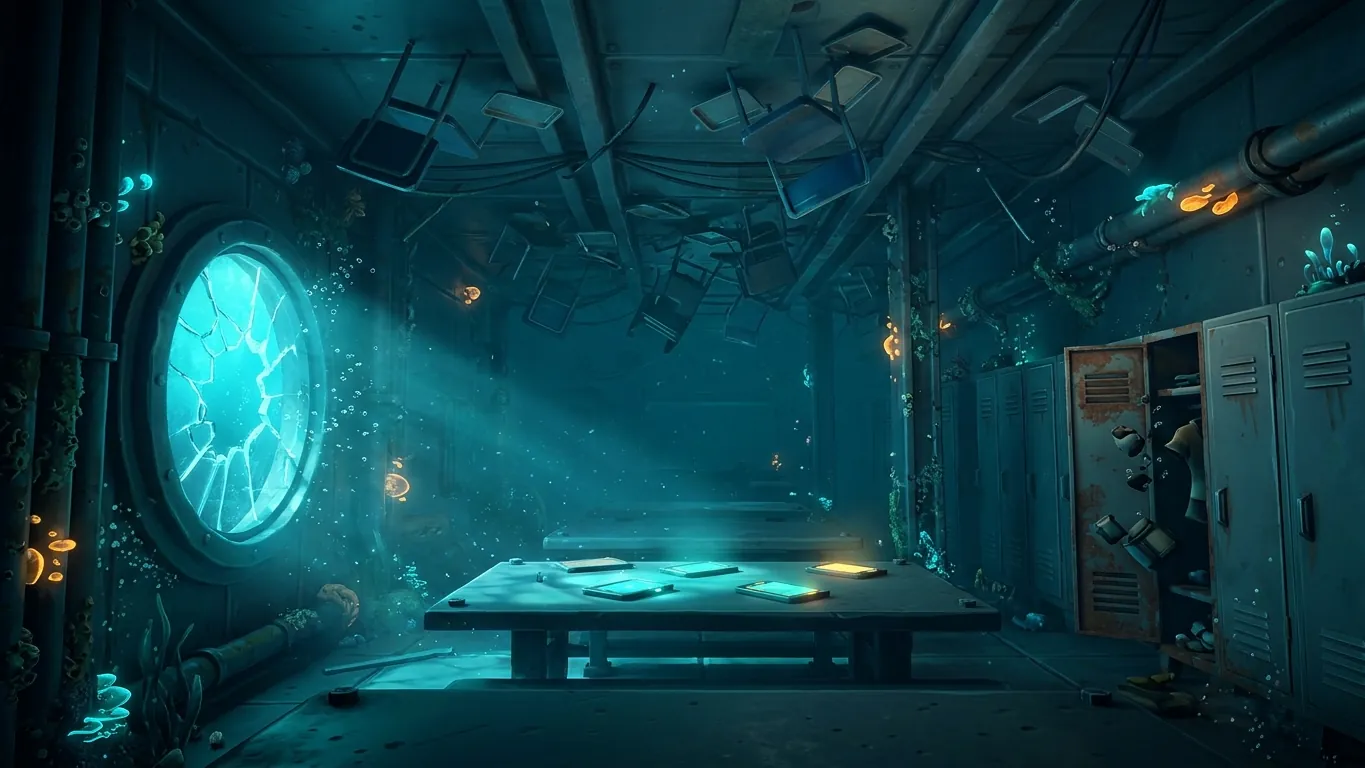
Environmental storytelling is the art of telling a story through the world itself. Instead of cutscenes explaining what happened, the game lets you discover it by looking around. Underwater games are particularly suited to this approach, because their stations are usually empty by the time you arrive.
That emptiness is a narrative device. A silent station raises immediate questions: where did everyone go, and why? The answers are rarely handed over directly. They are spread across rooms, objects and records, waiting for a curious player to connect them.
This style asks more of the player, but it also rewards attention. The story you assemble feels personal, because you built it from fragments you found yourself.
The most direct storytelling tools are records left behind: written logs, personal notes, audio recordings and data terminals. They often reveal the station's purpose, the routines of the people who worked there and the moment things started to go wrong.
It helps to pay attention to tone as well as content. A cheerful early entry followed by increasingly worried ones tells a story on its own. Dates or sequence markers, when available, let you put events in order. Contradictions between different records can be intentional, hinting at disagreements or secrets.
Some players read everything immediately, while others save logs for later. Either approach works, but reading entries in the location where you found them often adds weight to their meaning.
Even without a single written word, a room can say a lot. Barricaded doors suggest something was being kept out, or kept in. An unfinished meal implies people left in a hurry. A neatly packed bag that was never taken raises its own questions.
Damage patterns are worth reading too. Walls bent inward point to outside pressure, while debris scattered outward may suggest an explosion within. Areas that remain dry and sealed might have served as last refuges. Plant and coral growth inside a station can hint at how long it has been abandoned.
Try slowing down in each room and asking simple questions: what was this space used for, and what changed? The answers often line up with the logs you find later.
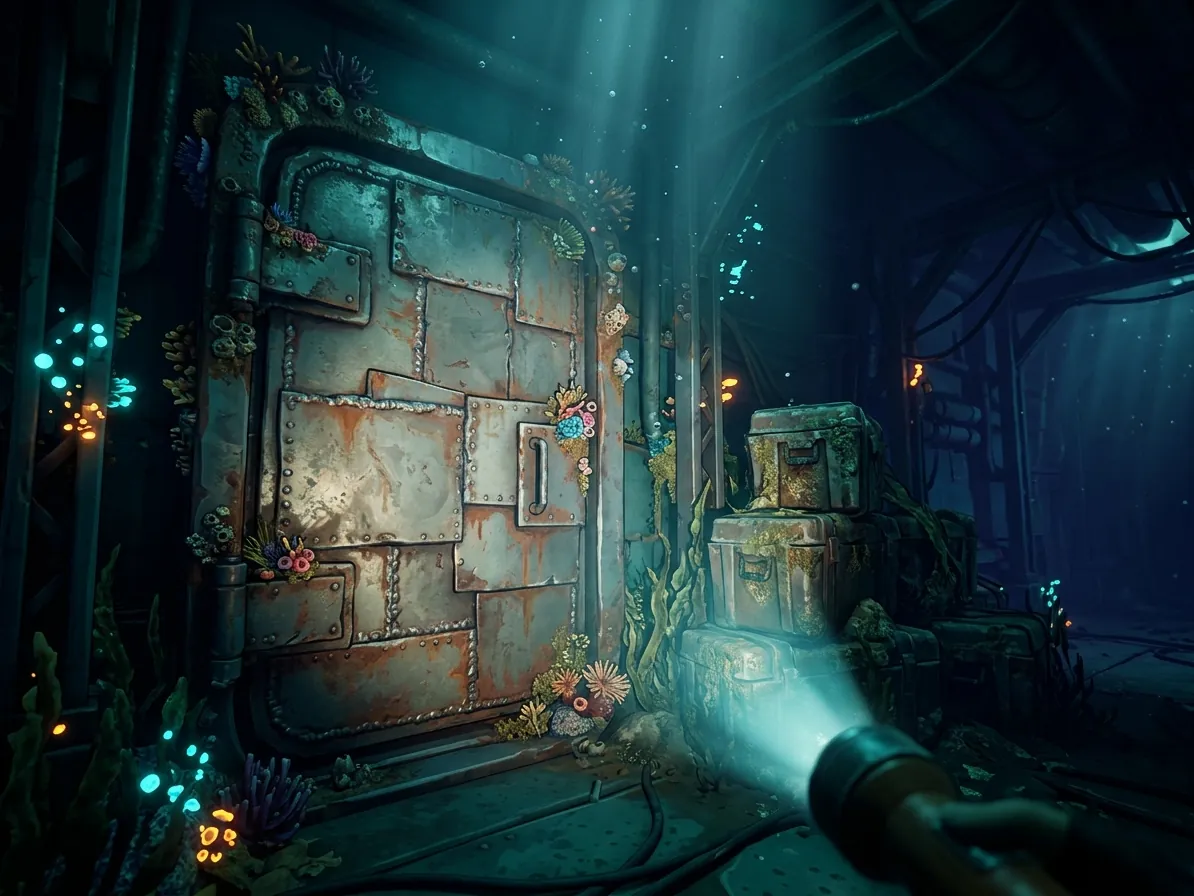
These details often carry more story than they first appear to.
Photos, keepsakes and hobby items hint at who lived there and what mattered to them.
Unfinished experiments or repairs show what the crew was doing when routine stopped.
Blocked doors and sealed hatches suggest fear, quarantine or an attempt to contain damage.
Growth, rust and sediment help you sense how long a station has been silent.
A useful habit is to build a rough timeline in your head, or even on paper, as you explore. Start with what the station was for, then note key events in the order you think they happened. Each new log or room can confirm or challenge your theory.
Do not worry if some questions remain unanswered. Many games leave gaps on purpose, inviting players to imagine what is missing. That ambiguity is part of what makes underwater stories linger after you put the controller down.
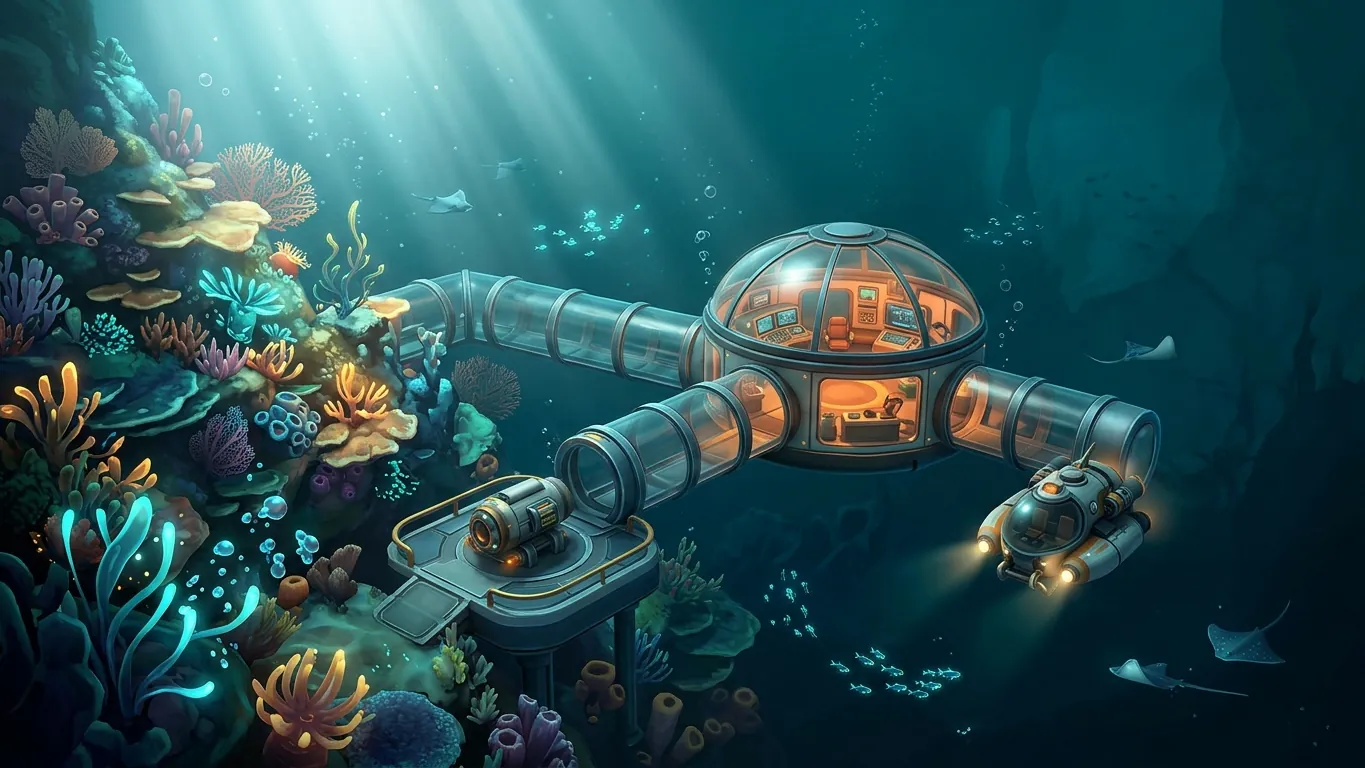 Building a home on the ocean floor
How to choose a site, build in stages and manage power and light when planning your first underwater base in exploration and survival games.
Read more
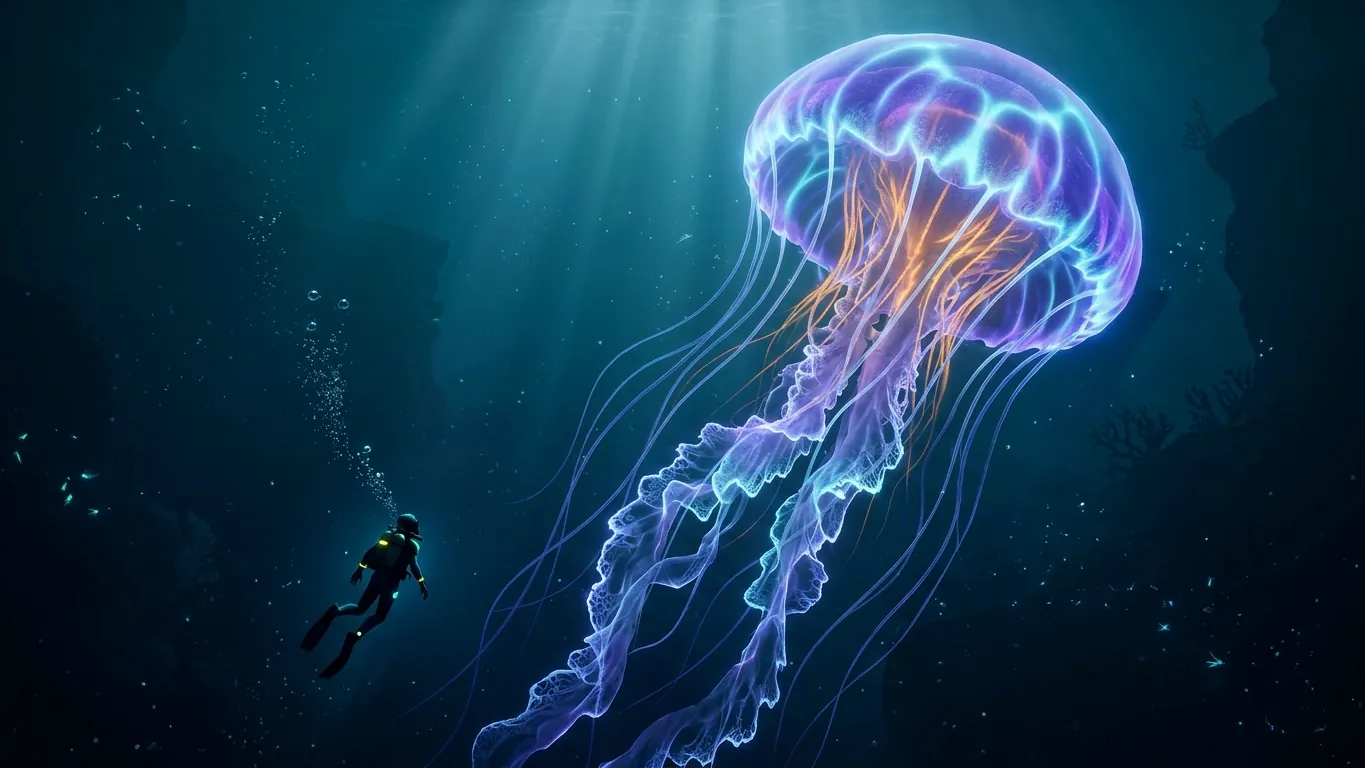 Wonder and unease beneath the waves
An opinion piece on why the deep sea works so well in games: darkness, silence, scale and the mix of wonder and unease that draws players back.
Read more
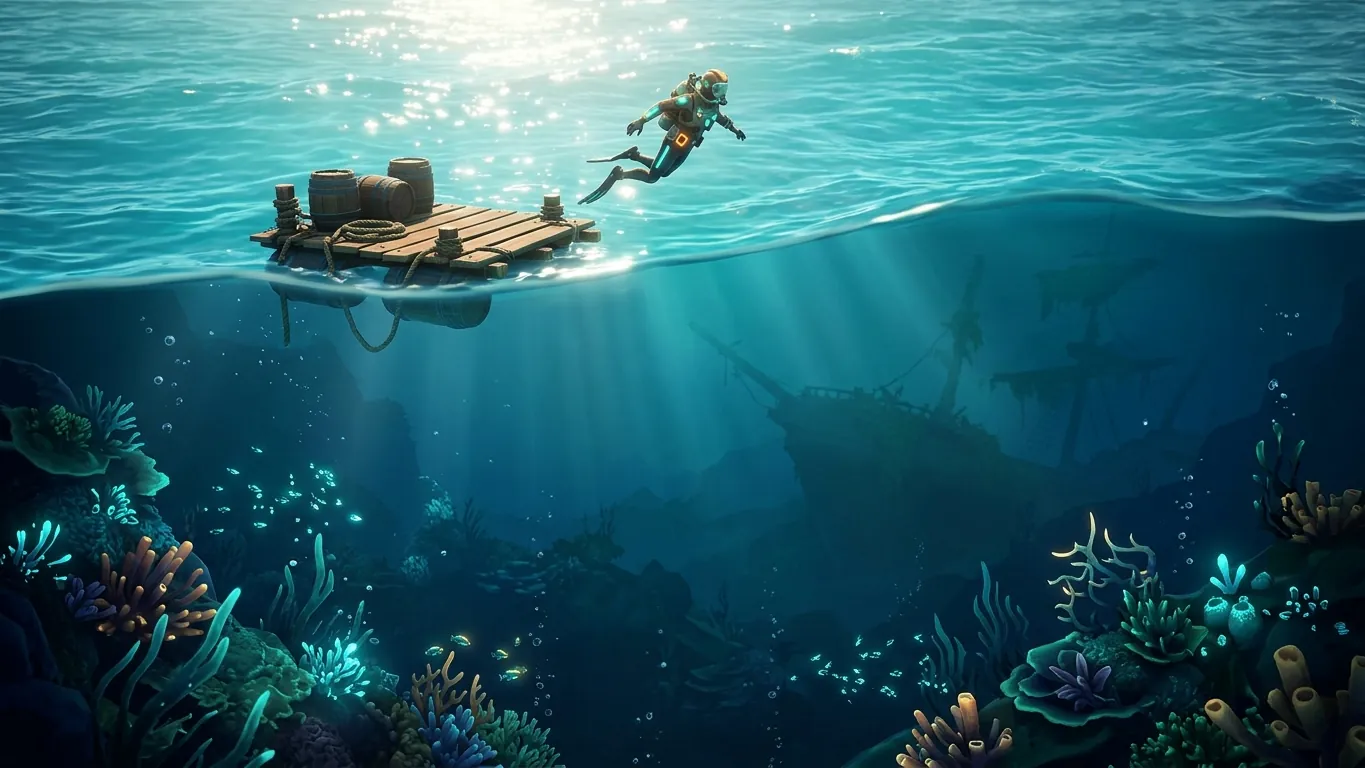 Your first descent: a primer on underwater exploration games
New to underwater exploration games? Learn the core loop, the systems you will meet on every dive and how to pace your first expeditions.
Read more