Tracking down the stations hidden on the seabed
Sunken stations are the landmarks that give underwater games their sense of mystery. This guide covers practical ways to locate them and explore them carefully once you arrive.
Why stations are hidden the way they are
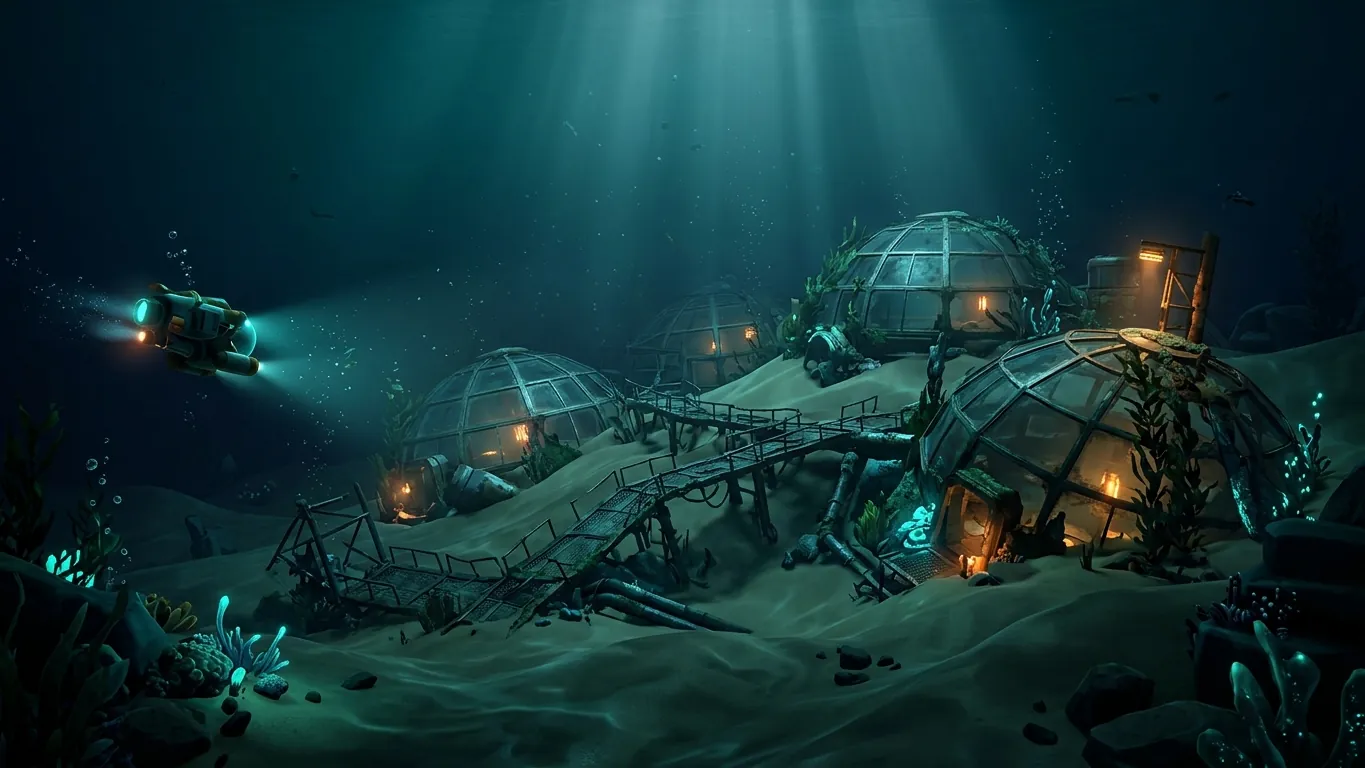
In many underwater games, stations are carefully placed to reward curiosity. Designers often position them at the edges of regions, inside trenches, behind rock formations or below layers of kelp, so they are not visible from the first route a player takes.
Understanding this intention helps. If an area seems oddly empty, or if a path narrows in an interesting way, there may be something worth finding nearby. Stations also tend to sit in locations that make sense within the fiction: near geothermal vents for power, at the base of cliffs for shelter, or along a line of old cables connecting outposts.
Thinking like the people who built the station, even fictional ones, is often the quickest way to guess where it might be.
Following the environmental breadcrumbs
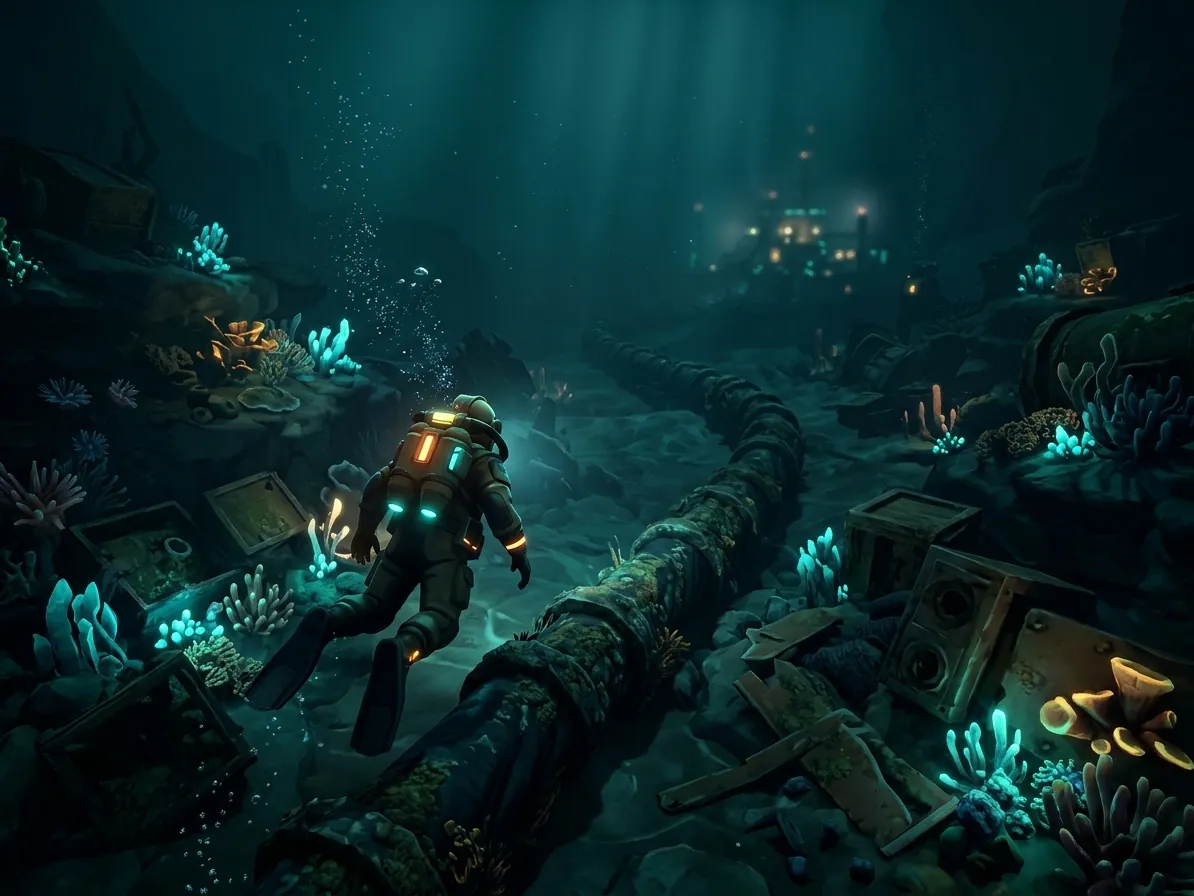
Before you find a station, you usually find traces of it. Look for debris on the seabed, such as metal panels, crates, broken lights or lengths of pipe. Scattered debris often forms a trail leading toward its source.
Cables and pipelines are especially helpful because they connect places. Following one in either direction frequently leads to a structure. Unnatural shapes are another clue: straight edges, perfect circles and regular patterns rarely occur in nature, so they stand out against rock and coral once you start looking for them.
Light is a clue too. In dark regions, a faint artificial glow, sometimes flickering, may mean a station still has partial power. Turning off your own light for a moment can make distant glows easier to spot.
A methodical search pattern
When clues run dry, a structured approach helps you cover an area without wasting air.
- 01
Pick a reference point
Choose a clear landmark or place a marker so you always know where you started.
- 02
Sweep in lanes
Swim in parallel lines across the area, shifting slightly each pass so you cover new ground.
- 03
Check the edges
Pay extra attention to cliff bases, cave mouths and the rims of trenches.
- 04
Look up as well as down
Structures can sit on ledges or overhangs above your swimming height.
- 05
Mark what you rule out
Note areas already searched so you do not repeat them on the next dive.
Signals, beacons and scanners
Many games provide tools that point toward points of interest. Distress beacons, radio signals and scanning devices can reveal the rough direction or distance of a station. These signals are often designed to guide players gradually, so they may appear only after reaching a certain region or completing an earlier task.
Treat signals as a compass rather than a precise map. The direct route might pass through terrain that is too deep or too narrow, so be ready to find a way around. Combining a signal with environmental clues, such as a line of debris heading the same way, usually gets you there faster.
Entering a flooded station carefully
Finding a station is only half the expedition. Interiors are often cramped, dark and confusing, with collapsed corridors and sealed doors. Before entering, check your air and decide how far inside you will go on this trip.
Move slowly and note your path. Many stations loop back on themselves or have several levels, and it is easy to lose track of the exit. Look for ways to restore power, open doors or create air pockets, since these can turn a hostile interior into a safe place to explore further.
Above all, give yourself permission to leave and come back. A station that has waited on the seabed for so long will still be there on your next dive.
Related articles
 Every flooded corridor has a story to tell
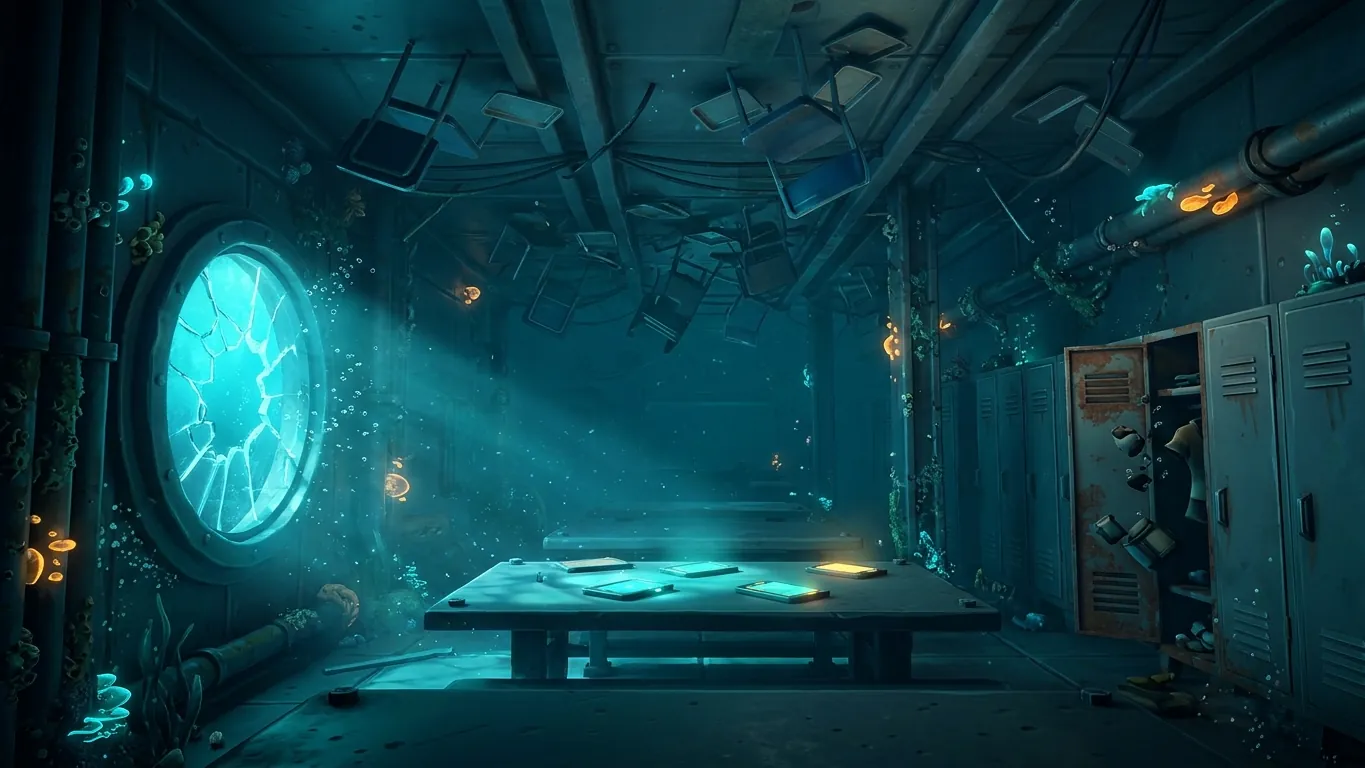
How underwater games tell stories through logs, room layouts and wreckage, and how to piece together what happened inside a sunken station.
Read more
 Building a home on the ocean floor
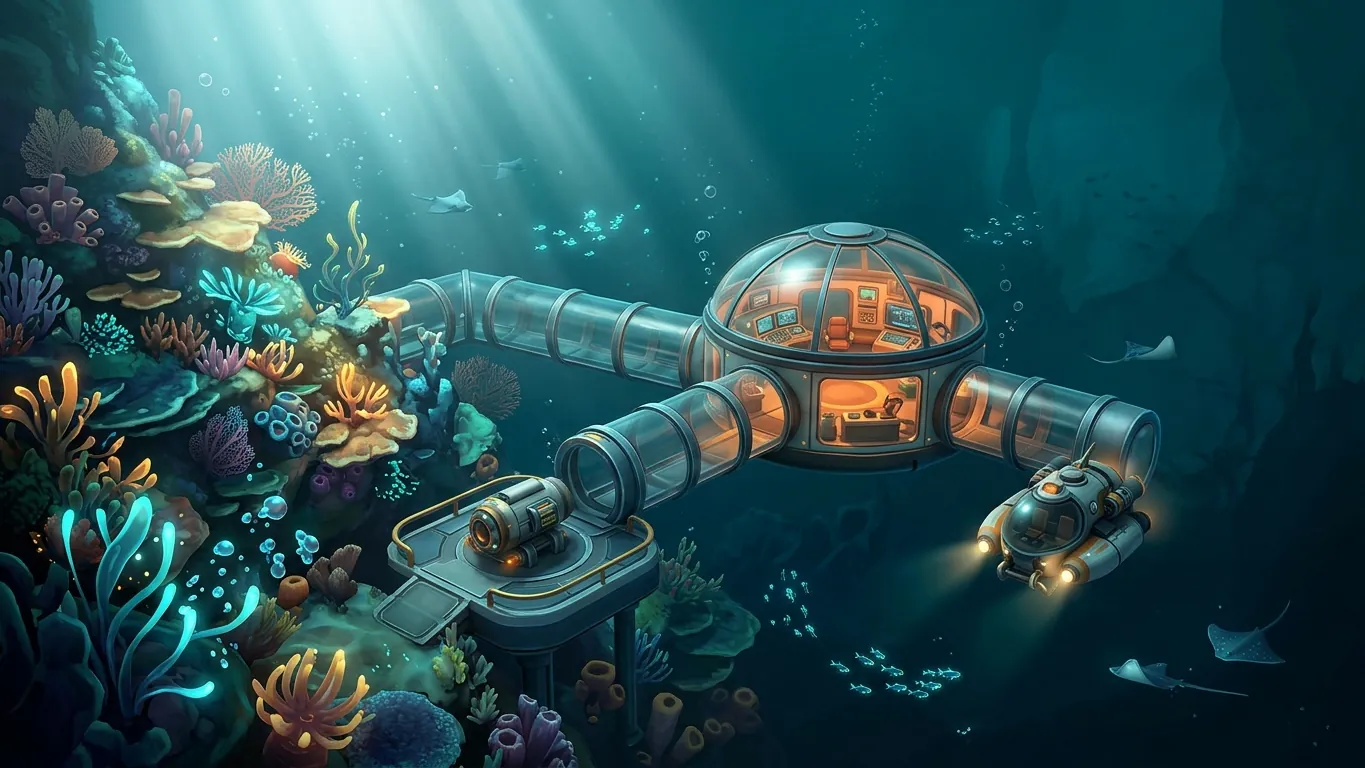
How to choose a site, build in stages and manage power and light when planning your first underwater base in exploration and survival games.
Read more
 Wonder and unease beneath the waves
An opinion piece on why the deep sea works so well in games: darkness, silence, scale and the mix of wonder and unease that draws players back.
Read more